Hollywood Strikes Pose a Problem For TV Advertisers— OOH Can Fill in the Gaps
By David Burrick, Chief Strategy Officer

There has been a lot of discussion about the decline in viewership of traditional linear television over the past few years — and for good reason. Last year, all four major broadcast networks saw annual ratings declines, while most cable networks saw even bigger annual declines in viewership. This is no surprise, as viewers have been switching their viewing habits to streaming and other options over the past decade plus.
Despite all the doomsday predictions about linear television, it still has a massive reach in the United States. According to Nielsen, in June, broadcast and linear television accounted for more than 50% of all time spent watching video. Yes, that’s right, traditional TV is still bigger than YouTube, Netflix, Hulu, Disney+ and all video games combined.
But now a new threat has been introduced to the linear TV landscape — a work stoppage of both Hollywood writers and actors at the same time. Broadcast network staples like late night shows have already been on hiatus for months and we are likely to see delays in scripted dramas and comedies come the fall.
While this poses an inconvenience to viewers, who won’t be able to watch some of their favorite shows for months, it also poses a major challenge to marketers who have traditionally relied on linear broadcast television as a major channel to reach consumers. Per eMarketer, traditional linear TV advertising is expected to be a $61 billion dollar industry in the US, which represents 17% of all marketing dollars spent in 2023. But without new programming in the fall, marketers will be forced to shift some of those dollars to other channels to reach consumers. Where should marketers turn?
One obvious channel is connected TV (CTV), which has exploded in scale and popularity amongst advertisers over the past few years. It’s unclear, however, how much more incremental reach connected TV can deliver to marketers in the short term. According to Statista, CTV already reaches over 90% of US households and most video advertisers are already leveraging this channel, meaning it’s harder to reach incremental customers. Moreover, while demand may sharply increase for this channel in the coming months, it is unclear if supply will increase at the same rate, particularly since the overwhelming majority of consumers prefer ad-free streaming experiences.
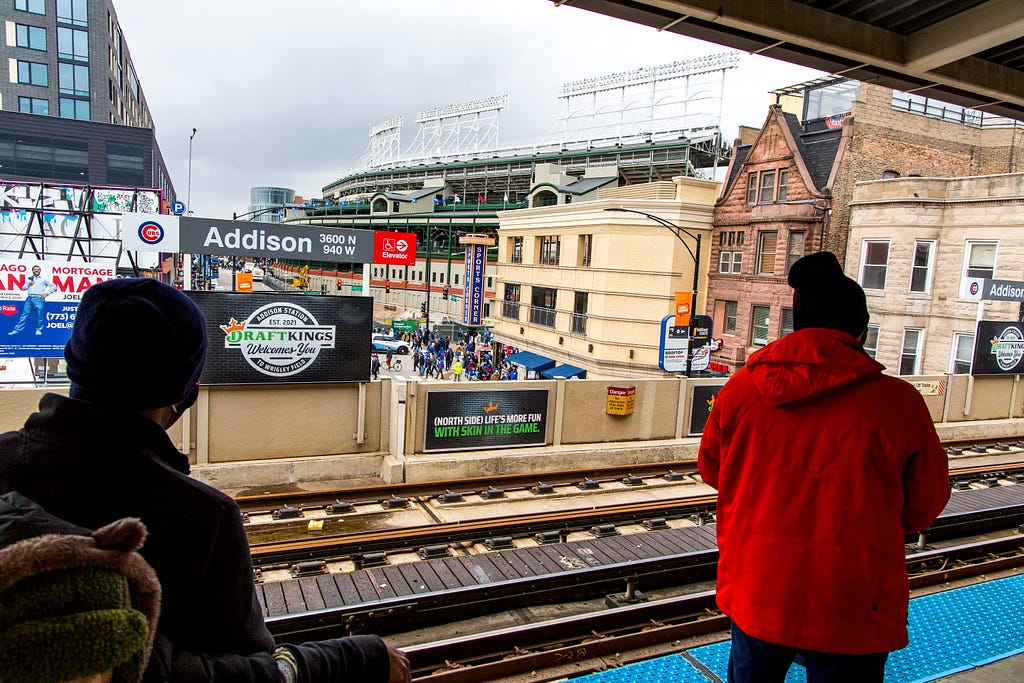
Another alternative marketers should consider as they look to shift their marketing dollars away from linear TV is out-of-home (OOH) advertising. Out-of-home has many of the same characteristics of traditional linear TV in that it is a mass reach medium. But out-of-home boasts some unique offerings that make it a great alternative to other mass-reach channels:
- It’s extremely cost effective — On a CPM basis or cost per net reach basis, OOH is far more cost efficient than traditional linear or CTV channels. These channels are regularly seeing average CPMs in the $10 to 30 range. Large format billboards or smaller transit/street furniture advertising command CPMs far lower than this.
- It has massive scale — “The Tonight Show,” which is the top rated late night television show, averages several hundred thousand viewers nightly. Per Geopath, a spot on a single billboard in Times Square reaches over 1 million people, while a similarly-priced buy on a street furniture network like LinkNYC reaches several million people. OOH campaigns — especially small format products — often can cost effectively cover a large portion of a DMA.
- It performs well — Study after study shows that OOH advertising performs as well or better than other forms of advertising. It has the highest recall amongst major media channels, and it drives engagement. There have been huge advances in technology over the past few years that allow marketers to get a clear understanding of their ROI on an out-of-home campaign.
- It complements TV well — TV viewership, traditional or streaming, is inherently an at-home medium. Out-of-home is reaching consumers as they are commuting or visiting friends and family. It gives marketers an opportunity to reach consumers and reinforce messaging when they are not on their devices.
- It has become easier to buy — For traditional TV marketers who are thinking of entering the OOH market, it might be intimidating. Luckily, out-of-home advertising is easier to buy than ever. For marketers used to buying programmatically, OOH inventory is now available on almost all large omnichannel exchanges, such as The Trade Desk and DV360. Also, there are a handful of large OOH companies that have reach in most major markets across the United States, so marketers can reach out to these companies directly and instantly get nationwide reach.
One day, the writers and actors strikes will end, but viewing habits of traditional linear TV have already been in decline for years and these strikes are only likely to accelerate that decline. As that happens, marketers are right to be exploring new channels and OOH is worth exploring now more than ever.
Hollywood strikes pose a problem for tv advertisers— OOH can fill in the gaps was originally published in IxN — The Intersection Blog on Medium, where people are continuing the conversation by highlighting and responding to this story.